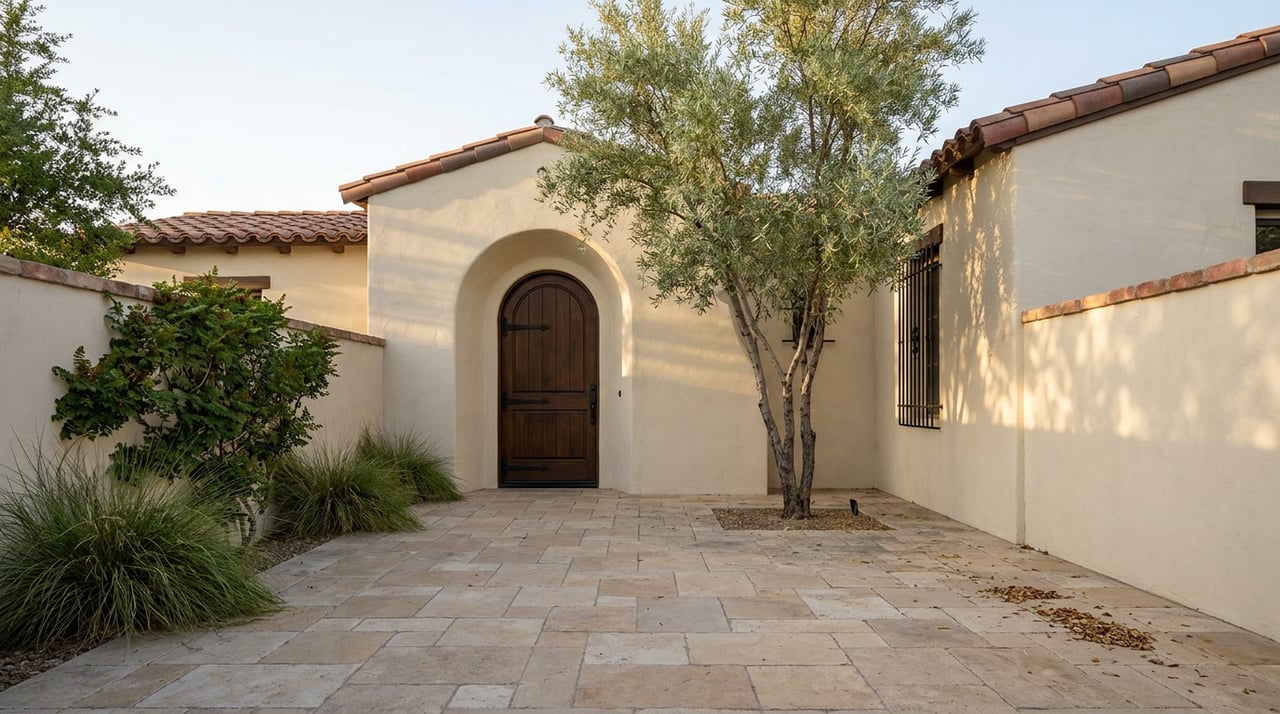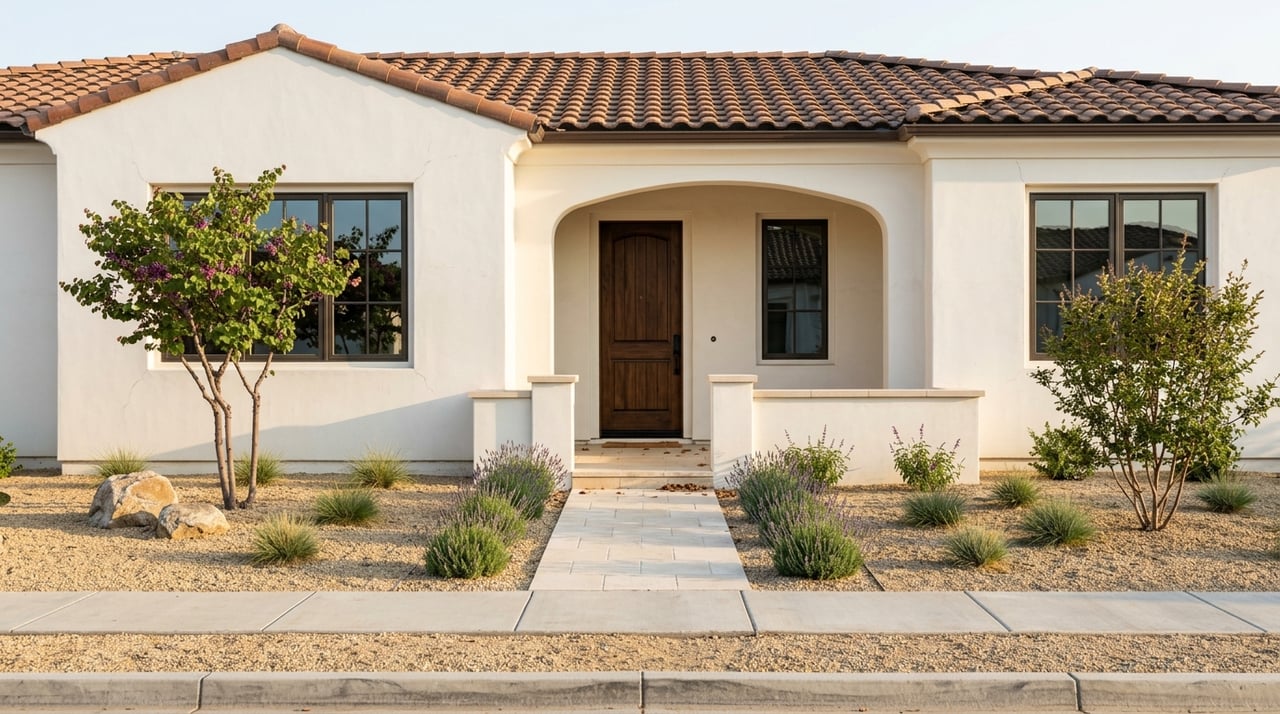
Wondering whether Reno or Sparks is the better fit for your next move? It is a common question in Northern Nevada, and the answer usually comes down to how you want to live day to day, what kind of home you want, and how fast you need to act in the market. If you are comparing both cities, this guide will help you sort through price, commute, housing mix, and everyday amenities so you can focus your search with more confidence. Let’s dive in.
Reno vs. Sparks at a Glance
Reno and Sparks share one metro area, but they are not identical markets. At the city level, Reno currently has a higher median sale price, while Sparks is a bit more affordable on the latest snapshot and homes are moving slightly faster.
As of May 2026, Redfin reports Reno’s median sale price at $576,359, compared with $524,686 in Sparks. Reno homes were selling in about 44 days, while Sparks homes were selling in about 38 days. That means Sparks may appeal to buyers looking for a lower current price point, while Reno may appeal to buyers prioritizing a wider mix of housing choices and more central urban access.
Home Prices and Market Pace
If price is one of your top filters, Reno and Sparks show a meaningful gap. Reno’s median sale price is higher, and its owner-occupied median home value from the 2020-2024 ACS also comes in above Sparks at $548,300 versus $483,800.
The recent trend line looks different in each city too. Reno’s median sale price was up 8.7% year over year in May 2026, while Sparks was down 0.15% over the same period. That does not tell the whole story for every neighborhood, but it does show why city averages can shape your expectations before you drill down into specific areas.
Market speed matters as well. Sparks had a higher Redfin Compete Score of 71, compared with Reno’s 64, and homes there sold a little faster on average. If you are buying in Sparks, that can mean being ready to move quickly when the right home hits the market.
Housing Types in Each City
Your best fit may come down to the kind of home you want. Sparks has a higher share of single-family detached homes, with 63.2% of its housing stock in that category, while Reno sits at 49.8%.
Reno offers a broader mix of housing types. According to the Reno-Washoe 2025-2029 Consolidated Plan, Reno has a larger share of multifamily housing and 2-to-4-unit structures than Sparks. In simple terms, Reno may give you more variety if you are considering condos, townhome-style options, or other attached housing alongside detached homes.
Owner occupancy is also higher in Sparks at 59.8%, compared with 49.8% in Reno. That lines up with Sparks’ more detached-home-heavy housing mix and may matter if you are trying to narrow your search based on the type of setting you prefer.
Commute Times and Getting Around
Commute patterns can shape your routine as much as the home itself. The U.S. Census QuickFacts data shows Reno’s mean travel time to work at 20.3 minutes, while Sparks comes in at 24.0 minutes.
That does not mean every Reno commute is shorter or every Sparks commute is longer. It does mean the city averages point to a difference worth paying attention to, especially if daily drive time or transit access is a major priority for you.
Public transportation connects both cities through the Regional Transportation Commission of Washoe County. RTC RIDE serves the greater Reno-Sparks area with 70 buses on 26 routes across about 136 square miles, with major transit centers in downtown Reno at RTC 4TH STREET STATION and in downtown Sparks at RTC CENTENNIAL PLAZA.
The RTC RAPID system also helps connect key activity hubs. The RAPID Virginia Line links the University of Nevada, Reno, downtown Reno, Midtown Reno, and Meadowood Mall, while the RAPID Lincoln Line connects downtown Reno to downtown Sparks along the 4th Street and Prater corridor.
For some buyers, that transit network can support a more connected lifestyle without relying on a car for every trip. It can also help sellers understand why location near major corridors may matter to future buyers.
Amenities and Everyday Lifestyle
Reno and Sparks each have distinct lifestyle anchors. Reno’s downtown identity is closely tied to the Truckee River corridor, including recent Riverwalk improvements highlighted by the City of Reno in 2025 and the Truckee River Whitewater Park at Wingfield, which features 2,600 feet of course length.
Reno’s urban core also benefits from strong transit connections. The RAPID Virginia Line reinforces links between downtown Reno, Midtown, UNR, and Meadowood, which can make it easier to access shopping, dining, work, and events along that corridor.
Sparks has a different feel, with amenities centered more around the Sparks Marina, Victorian Square, and Golden Eagle area. Sparks Marina is described by NDOW as a 77-acre community pond created from the former Helms Pit site, giving the city a strong recreation-oriented anchor.
Transit also supports that lifestyle pattern. RTC route maps show service to Sparks Marina and Sparks/Meadowood, along with links to downtown Sparks and other parts of the regional network. If your ideal weekend includes time near the water or park-oriented amenities, Sparks may stand out more quickly on your shortlist.
Older Housing Stock Matters in Both Markets
No matter which city you prefer, age of housing is something to pay attention to. The Consolidated Plan reports that 37.9% of Reno housing and 35.2% of Sparks housing was built before 1980.
That means older systems, deferred maintenance, and renovation needs can show up in either market. If you are buying, it helps to look beyond photos and price alone. If you are selling, condition and presentation may play a big role in how buyers respond to your home.
Which Market May Fit You Best?
Reno may fit you if
- You want a broader mix of housing types
- You value access to downtown Reno, Midtown, UNR, or the Truckee River corridor
- You prefer a city with a shorter average commute time
- You are comfortable shopping in a market with a higher current median sale price
Sparks may fit you if
- You want a higher share of detached single-family home options
- You are looking for a lower current median sale price than Reno
- You are drawn to amenities around Sparks Marina, Victorian Square, or Golden Eagle
- You are prepared for a market that has recently moved a little faster
Why Neighborhood Comparisons Matter Most
City averages are useful, but they are only a starting point. Reno and Sparks each include a range of neighborhoods, home styles, lot sizes, commute patterns, and price points, so your best match often becomes clearer once you compare areas at the neighborhood level.
That is especially true if you are balancing tradeoffs. You may want Reno access with a more residential feel, or Sparks pricing with specific commute needs. Looking only at the city name can hide the details that actually shape your daily life and your long-term satisfaction with the move.
A thoughtful home search starts with your routine, your budget, and your must-haves. If you want help comparing Reno and Sparks with a neighborhood-level lens, Clarke Group LLC can help you narrow the options and move forward with a clear plan.
FAQs
What is the main price difference between Reno and Sparks?
- As of May 2026, Reno’s median sale price was $576,359 and Sparks’ was $524,686, so Reno was higher on the latest city-level snapshot.
Which city has more single-family homes, Reno or Sparks?
- Sparks has a higher share of single-family detached housing at 63.2%, compared with 49.8% in Reno.
Are homes selling faster in Reno or Sparks?
- Sparks was moving a little faster in May 2026, with homes selling in about 38 days versus about 44 days in Reno.
Is commuting usually shorter in Reno or Sparks?
- Census QuickFacts data shows Reno with a mean travel time to work of 20.3 minutes and Sparks at 24.0 minutes.
What amenities help define Reno and Sparks?
- Reno is strongly tied to the Truckee River corridor, downtown, Midtown, and UNR connections, while Sparks is more centered around Sparks Marina, Victorian Square, and Golden Eagle.
Why should buyers compare neighborhoods instead of just city names?
- Reno and Sparks share a metro area, but housing mix, commute patterns, pricing, and amenity access can vary enough that neighborhood-level comparisons are usually more useful than city averages alone.