If you start your Reno home search by looking only at price and square footage, you can miss the bigger picture fast. In Reno, where you buy often shapes your day-to-day life just as much as the home itself. From central neighborhoods with older homes and historic character to newer suburban areas and foothill communities with open-space access, each part of the city offers a different experience. This overview will help you compare Reno neighborhood types, common home styles, and key questions to ask before you make a move. Let’s dive in.
Reno's Housing Snapshot
Reno offers a broad mix of housing, but detached homes still make up the largest share of the market. In the 2019 to 2023 ACS profile used in Reno’s 2025 to 2029 Consolidated Plan, 49.8% of housing units were 1-unit detached. The same source shows 8.4% of units were in 2-to-4-unit properties and 14.8% were in larger multifamily buildings.
That mix matters when you start narrowing down where and how you want to live. It means you can find everything from older single-family homes in central neighborhoods to attached housing and multifamily options closer to urban corridors. The city data also shows that 37.9% of Reno homes were built before 1980, which helps explain why housing style and age vary so much across the city.
For broader context, the same city source lists a median home value of $498,600 and a median contract rent of $1,342. Those numbers do not tell the whole story, but they do give you a useful baseline as you compare neighborhood options and home types.
Reno's Three Main Neighborhood Types
Reno’s master plan organizes the city into three broad neighborhood types: central, outer, and foothill. That framework gives you a practical way to start your search before getting too focused on individual subdivisions or streets.
Central Neighborhoods
Central neighborhoods are generally located within the McCarran loop and include much of Reno’s older housing stock. The city describes these areas as compact, walkable, and close to services and corridors. While they are mostly single-family, some parts of central Reno also include attached housing and multifamily buildings.
If you like older homes, established streetscapes, and closer-in living, this category is often the first place to look. The city also encourages reinvestment and limited infill in these areas when it can preserve neighborhood character, so you may see a blend of original homes, updated properties, and select newer projects.
Outer Neighborhoods
Outer neighborhoods include older suburban areas just outside or adjacent to the McCarran loop, along with newer suburban developments. The city generally describes these areas as single-family detached and cohesive in character.
For many buyers, outer Reno is where the search becomes more about newer construction, larger lots, and planned development patterns. City materials also point to neighborhoods and planned developments such as Damonte Ranch, Double Diamond, Caughlin Ranch, Cyan, and Curti Ranch as part of Reno’s broader suburban landscape.
Foothill Neighborhoods
Foothill neighborhoods sit at the edge of the city and come with different land conditions than central or outer areas. The city notes that these areas may include slopes, drainages, vegetation, wildfire risk, and in some locations, flood risk.
These neighborhoods are often valued for views, outdoor access, and proximity to open space. Many also abut state or federal lands and may be part of larger planned unit developments. Reno’s planning approach encourages cluster development in foothill areas to help preserve open space and natural features.
What Central Reno Feels Like
If your priority is being closer to everyday services, established corridors, and older architecture, central Reno may feel like the right fit. These neighborhoods tend to offer more historic character and a more compact urban pattern than newer suburban areas.
Midtown is one of the clearest examples of this mix. According to city materials, it includes new development along Virginia Street alongside refurbished brick buildings, small bungalow-style homes, and small multifamily conversions. That gives the area a layered feel, with older and newer housing existing side by side.
The Wells Avenue district reflects Reno’s early neighborhood development. The city ties the area to architectural styles such as Queen Anne revival and craftsman-type bungalows built of brick and cut rock. If you are drawn to homes with visible history and distinctive materials, this kind of area may stand out.
The Newlands Historic District is another important example. The city describes it as significant to Reno’s early suburban development and notes its shift from streetcar- and pedestrian-oriented patterns to more automobile-centered suburban form over time. For buyers, that history can show up in both layout and home style.
What Outer Reno Often Offers
Outer neighborhoods usually appeal to buyers who want a more suburban setting and a housing stock that often feels newer or more uniform. In many cases, these areas are easier to filter by lot size, floor plan, and development style.
They are often the first place buyers look when they want a detached home in a neighborhood with a more consistent overall pattern. Depending on the development, you may also find HOA structures, planned amenities, and a broader housing mix introduced over time.
This category can be especially useful if you want to compare neighborhoods like Damonte Ranch or Double Diamond against your daily routine. Commute patterns, lot size, and the balance between detached and attached housing can all matter here.
What Foothill Living Can Mean
Foothill neighborhoods can be especially appealing if you want open-space access or a setting shaped by terrain and views. But these areas also come with practical considerations that deserve attention early in your search.
The city specifically highlights wildfire risk in some foothill and wildland-urban-interface areas. That means site maintenance and defensible space can matter alongside the home’s layout and finishes. In some locations, drainage and flood conditions may also be part of the conversation.
For buyers, this is where a home search becomes more than a checklist of bedrooms and bathrooms. You may need to think more carefully about lot conditions, vegetation, slope, and how the site fits your comfort level and maintenance expectations.
Common Reno Home Styles
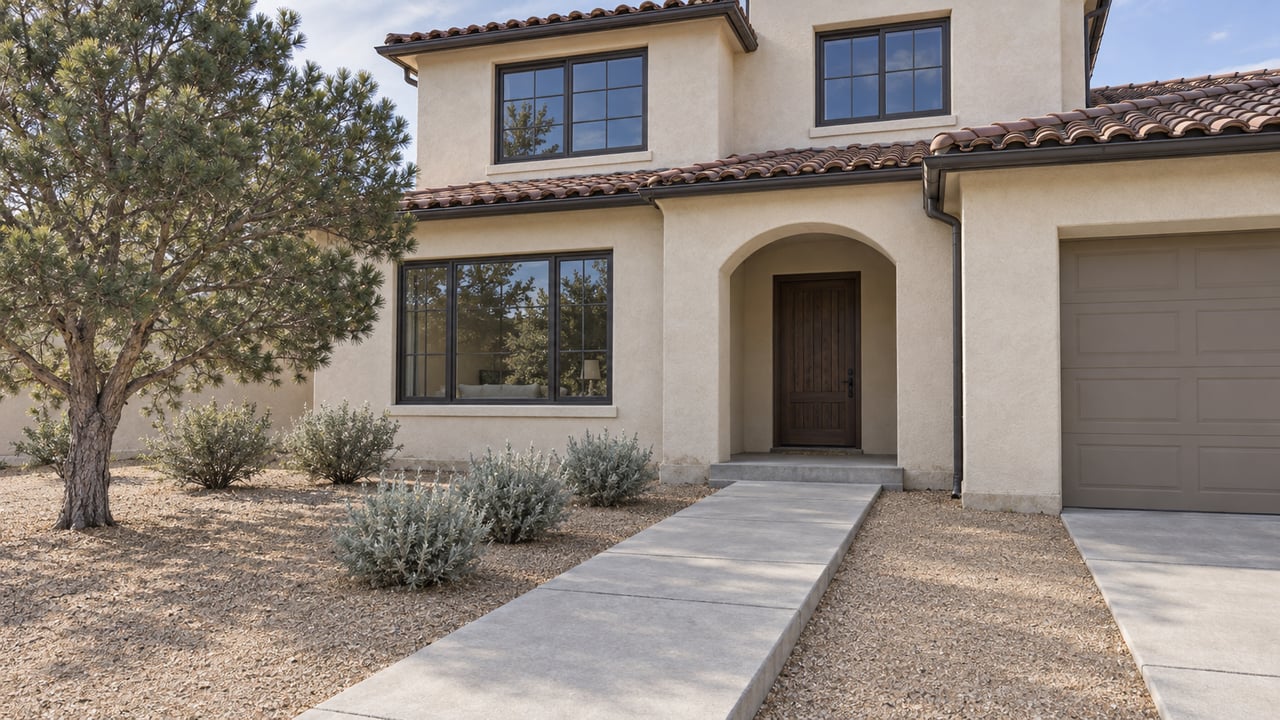
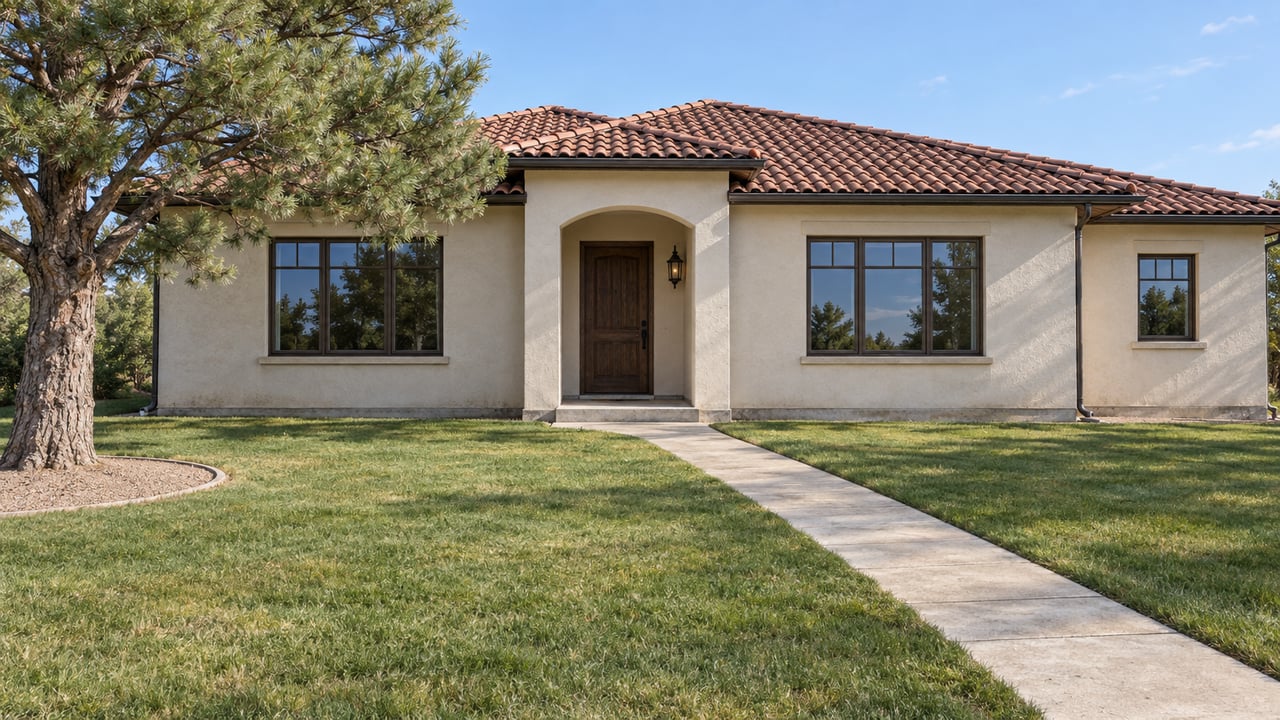
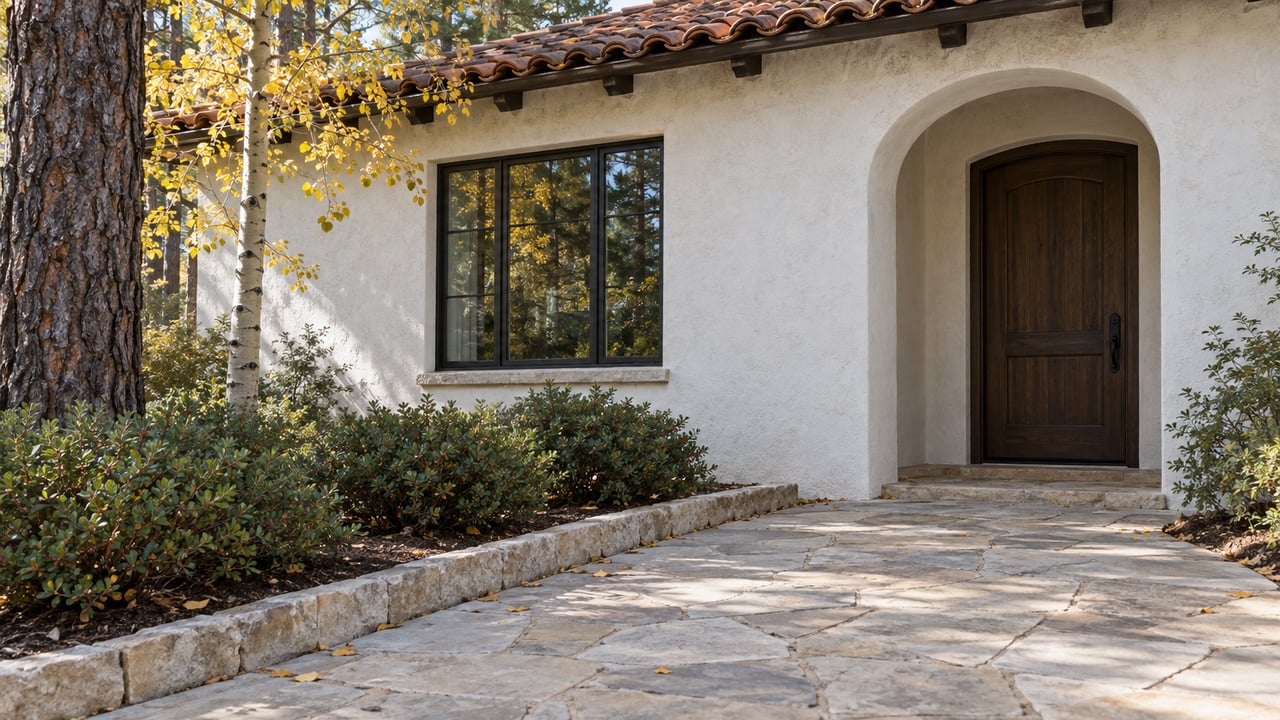
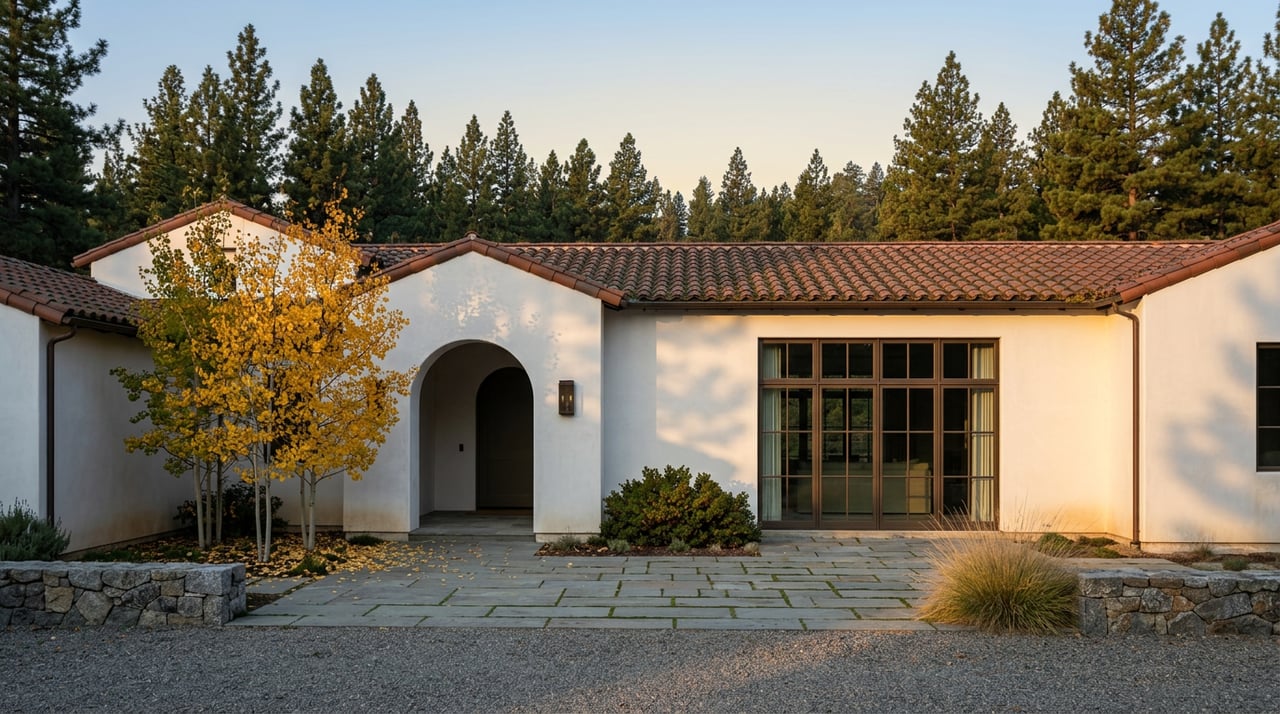
Reno’s housing styles reflect the city’s age, growth patterns, and neighborhood variety. In older and historic areas, the city’s preservation and district materials reference Queen Anne revival, Craftsman bungalows, ranch, contemporary, minimal traditional, prairie, Mission Revival, and Spanish Colonial Revival styles.
That range is one reason it helps to understand both the neighborhood and the home itself. In one part of Reno, you may be touring a brick bungalow with original character details. In another, you may be comparing a ranch home, a contemporary remodel, or a newer suburban property with a more modern layout.
Newlands Heights is specifically described by the city as being dominated by Craftsman and ranch homes built largely of brick, stone, or wood. Midtown, by contrast, includes bungalow-style homes, small multifamily buildings, converted motel properties, refurbished brick structures, and newer development. Those differences can strongly shape not just appearance, but upkeep, layout, and renovation potential.
Older Homes vs Newer Homes
Neither older nor newer homes are automatically better. The right fit depends on what matters most to you.
Older homes in Reno often offer character, mature surroundings, and architectural detail that can be hard to replicate. They may also come with more maintenance needs, renovation questions, or design limitations depending on the property and location.
Newer suburban homes often attract buyers who want more predictable layouts, updated systems, and neighborhood patterns that feel cohesive. In some areas, buyers also focus on HOA rules, lot size, and whether the surrounding housing is primarily detached, attached, or mixed-use.
A simple way to compare your options is to think about your daily priorities first. If walkability and historic character matter most, central neighborhoods may rise to the top. If you want a newer detached home or planned-development setting, outer neighborhoods may be a better match. If views and outdoor access are high on your list, foothill areas may deserve a closer look.
Historic Considerations to Ask About
If you are considering an older home, historic status is one of the first things to verify. Reno says historic resources are generally at least 50 years old, and the local register is intended to preserve exterior character.
That can affect your plans if you hope to make major visible exterior changes. According to the city, significant exterior alterations on listed properties may require a Certificate of Appropriateness. Before you fall in love with a home based on style alone, it helps to understand whether any preservation rules may apply.
This does not mean historic homes are off-limits or difficult by default. It simply means your due diligence should include questions about designation, renovation limits, and maintenance expectations.
Smart Questions for Buyers
As you compare Reno neighborhoods and home styles, these are some of the most useful questions to ask early:
- Do you want a central, outer, or foothill location?
- How important are walkability, views, or proximity to open space?
- Are you comfortable with the maintenance needs of an older home?
- Does the property have any historic designation or exterior review requirements?
- Is the neighborhood mostly detached housing, or does it include attached and multifamily homes too?
- If the home is in a planned development, what rules or lot considerations should you know about?
- If the home is in a foothill area, what site conditions should you review closely?
The more clearly you answer those questions, the easier it becomes to filter listings in a way that actually fits your life. That can save you time and help you focus on homes that make sense long term, not just on paper.
Buying in Reno is rarely just about choosing between one house and another. It is about finding the right mix of neighborhood setting, home style, and day-to-day function for the way you want to live. If you want a local team that can help you compare Reno neighborhoods with clarity and confidence, Clarke Group LLC is here to help.
FAQs
What are the main neighborhood types in Reno for homebuyers?
- Reno’s master plan organizes the city into central, outer, and foothill neighborhoods, each with different housing patterns, settings, and buyer considerations.
What kinds of homes are most common in Reno?
- City housing data shows detached homes make up the largest share of Reno’s housing stock, with additional attached and multifamily options available in different parts of the city.
What home styles can buyers find in Reno neighborhoods?
- Buyers may see styles such as Queen Anne revival, Craftsman bungalow, ranch, contemporary, minimal traditional, prairie, Mission Revival, and Spanish Colonial Revival, especially in older areas.
What should buyers know about older homes in Reno?
- Older homes can offer character and established settings, but buyers should also ask about maintenance, renovation limits, and whether a property has any historic designation.
What should buyers consider in Reno foothill neighborhoods?
- In foothill areas, buyers should review site conditions such as slope, drainage, vegetation, wildfire risk, and, in some locations, flood risk.
How can buyers choose between central and outer Reno neighborhoods?
- Central neighborhoods often appeal to buyers looking for walkability and historic character, while outer neighborhoods often appeal to buyers looking for newer homes, larger lots, and planned-development features.