Thinking about life on the Tahoe shoreline and wondering if a true lakefront is worth the premium over a lake-access home? You are not alone. Both options deliver the Lake Tahoe lifestyle, but they differ in legal rights, permits, upkeep, and long-term costs. In this guide, you will learn how lakefront and lake-access homes compare in South Lake Tahoe and unincorporated El Dorado County, what to verify before you buy, and how to choose the right fit for your goals. Let’s dive in.
Lakefront defined
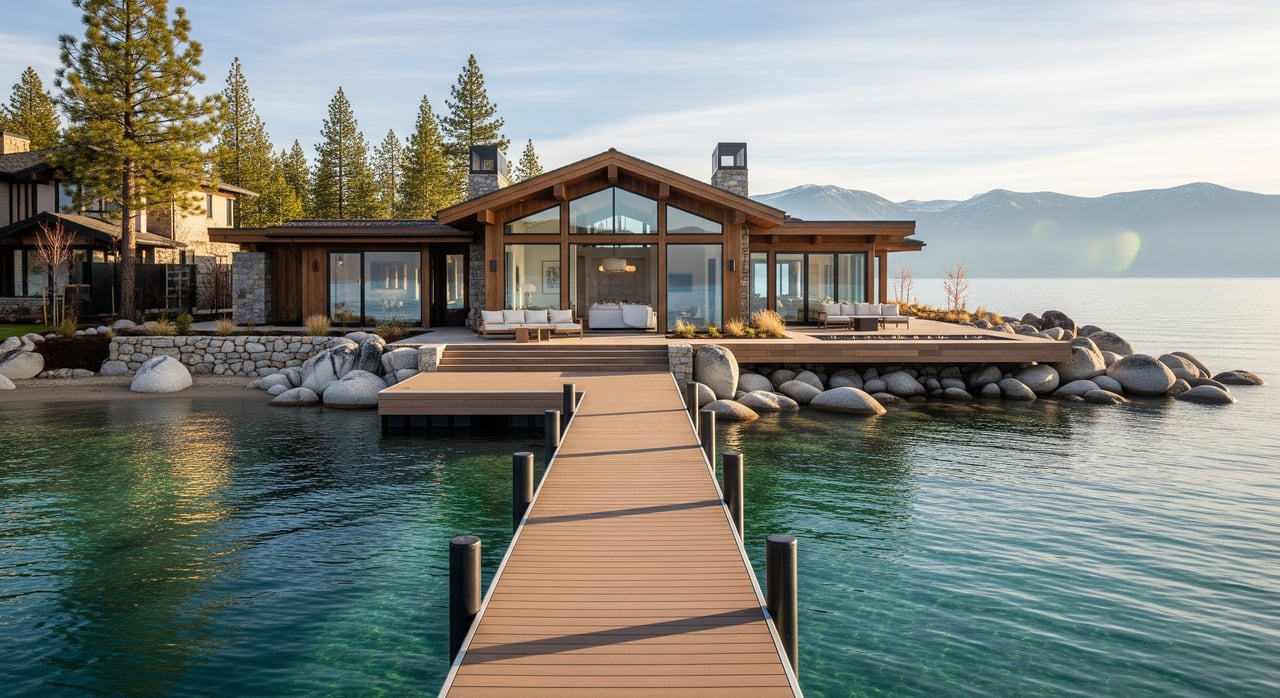
A lakefront parcel directly borders Lake Tahoe’s shoreline and provides immediate physical and visual access from the property line. In this area, your ownership typically ends at the ordinary high water mark (OHWM), and activities near the shore often trigger regional rules. You should expect oversight from the Tahoe Regional Planning Agency (TRPA) along with state and local agencies for most shoreline-related changes.
Owning lakefront property does not automatically include a private dock or mooring. Those uses are separately regulated and may require approvals from multiple agencies. Older shoreline features can be nonconforming and may carry maintenance or mitigation obligations.
Property lines and shoreline
The OHWM helps separate private property from public jurisdiction. Because storms and lake levels can shift the shore, shoreline conditions may evolve over time. Any plan to add or alter structures near the shore typically requires permits.
Dock and mooring rights
Dock, pier, or mooring rights are not guaranteed. You must confirm whether rights exist in recorded documents and then verify whether current permits allow ongoing use. Even permitted docks can require seasonal removal, maintenance, and periodic regulatory updates.
Lake-access defined
A lake-access home does not touch the lake but has legal access through a recorded easement, a private path, or a community beach managed by an HOA. Access can come with limits, such as user caps, hours, guest policies, or reservation systems. These properties rarely convey private dock or exclusive mooring rights.
Verify access documents
Access rights live in recorded easements or HOA CC&Rs. Review them to understand who may use the access, allowed activities, guest rules, storage restrictions, and any fees or assessments. Confirm where you can park, how you reach the shoreline, and whether there are restrictions on watercraft.
Lifestyle tradeoffs
Lake-access often delivers a lower upfront price and fewer shoreline obligations while preserving the ability to enjoy the water. In exchange, you share common areas and follow rules set by an HOA or easement holder. If private boating or exclusive beach space is essential, a true lakefront may be a better fit.
Market differences
Lakefront properties generally carry a meaningful premium due to direct frontage, private views, and potential dock access. The size of the premium varies by micro-location, dock status, lot width, view corridors, and elevation relative to the lake. Inventory is limited for true lakefront, which can amplify demand in strong markets and narrow the buyer pool in slower cycles.
Seasonality matters. Summer showings can highlight lake access and views, while winter conditions can affect access and perceived usability. Lake-access homes typically appeal to buyers who want Tahoe recreation with more predictable maintenance and lower ongoing obligations.
Financing and appraisal
Appraisals rely on comparable sales. Since lakefront parcels are scarce and highly unique, valuations can be complex and not every improvement contributes dollar-for-dollar. Lenders may require proof of insurability, septic inspection or sewer confirmation, and permit history for shoreline structures.
If a property lies in a FEMA flood zone, expect a lender requirement for flood insurance. In South Lake Tahoe, many homes connect to the local sewer utility, while some shoreline parcels in unincorporated El Dorado County may use septic. Confirm service or septic status early so you understand financing and underwriting conditions.
Environmental factors
Shoreline homes face erosion, storms, and fluctuating lake levels. Protective measures like riprap or retaining walls are regulated, and agencies often prefer softer shoreline treatments. Docks and piers require routine upkeep and compliance checks, and older structures may be subject to special conditions.
Lake Tahoe has active invasive species prevention programs that require inspection and cleaning protocols for watercraft. You should also plan for heavy snow, ice on hardscape, and seasonal closures that affect access and maintenance.
Wildfire risk is a basin-wide reality. Insurers may require defensible space, ember-resistant upgrades, and compliance with local ordinances. Power interruptions can occur due to weather and tree exposure, so many owners plan for backup power.
Buyer due diligence checklist
Use this quick list to gather answers before you write an offer or as you prepare disclosures as a seller.
Title and legal rights:
- Confirm whether the deed describes the parcel as lakefront and how the boundary relates to the OHWM.
- Review recorded easements, prescriptive rights, and CC&Rs for any lake-access or public easement across the property.
- Clarify dock, pier, and mooring rights and whether they require or already have permits.
Permitting and compliance:
- Request the seller’s permit history for docks, retaining walls, vegetation work, septic, and any TRPA approvals.
- Check records with relevant agencies for active permits, backlogs, or enforcement actions.
Physical inspections:
- General home inspection plus shoreline condition, erosion assessment, and dock or bulkhead inspections where applicable.
- Septic inspection or proof of sewer connection; roof and snow-load suitability; tree hazard and defensible space review.
Insurance and financing:
- Obtain quotes early for hazard, flood, and wildfire coverage; confirm insurability and required mitigation.
- Verify flood zone status and your lender’s requirements for shoreline structures and septic systems.
Operational and lifestyle:
- Confirm HOA rules, assessments, guest policies, and any reservation or user limits for shared access.
- Map practical access for you and guests, proximity to marinas or launches, and parking rules at access points.
- Verify utilities, snow removal responsibilities, and internet or cell coverage.
Seller disclosures and history:
- Ask for prior storm damage, repairs, shoreline changes, or pending enforcement notices.
- Review historical photos that might reveal shoreline movement or erosion trends.
Which fits your goals
Choose the option that aligns with how you plan to use the home and how hands-on you want to be with shoreline responsibilities.
- Pick lakefront if you prioritize private, immediate water access, potential dock use, and uninterrupted views, and you are comfortable with added permits, maintenance, and insurance.
- Pick lake-access if you want recreational benefits with more predictable upkeep, shared amenities, and a lower entry price than true lakefront.
Permitting basics
Shoreline projects often involve multi-agency permitting. A typical path includes early consultation with TRPA, confirmation of city or county requirements, and coordination with water quality and wildlife agencies for activities in or near the water. Plan for seasonal windows, engineering requirements, and potential mitigation measures.
For smaller projects like limited vegetation work, expect rules that protect water quality and shoreline vegetation. Keep records of approvals to streamline future sales or refinances.
Red flags to watch
- Unpermitted docks or shoreline hardening that may require removal or mitigation.
- Septic systems near the shore with unknown age or capacity.
- Public easements across beach areas that limit exclusive use expectations.
- Repeated storm damage in disclosures without documented fixes.
Work with a local guide
The difference between a great Tahoe experience and a stressful one often comes down to due diligence. A local team can help you verify easements, coordinate inspections, and navigate TRPA and county or city permits while keeping your goals front and center. If you are weighing lakefront versus lake-access in South Lake Tahoe or El Dorado County, reach out to the L Clarke Group for clear guidance from a credentialed team that understands shoreline nuance and second-home priorities.
FAQs
What is the ordinary high water mark at Lake Tahoe?
- It is a reference line that helps separate private property from public jurisdiction along the shore and is used by agencies to regulate shoreline uses and structures.
Do lakefront homes automatically include dock or mooring rights?
- No. Dock and mooring rights are not automatic and usually require documented rights and permits from relevant agencies.
Are lake-access homes allowed to use private docks?
- Usually not. Lake-access properties often have shared beaches or paths without private dock or exclusive mooring rights unless specifically granted in recorded documents.
How do appraisals work for unique lakefronts?
- Appraisers rely on comparable sales, which can be limited for one-of-a-kind shoreline parcels; some improvements may not contribute full value due to regulatory or maintenance factors.
What insurance should I price before buying near the shore?
- Get quotes for hazard, flood, and wildfire coverage, and confirm any mitigation requirements or lender conditions early in your process.