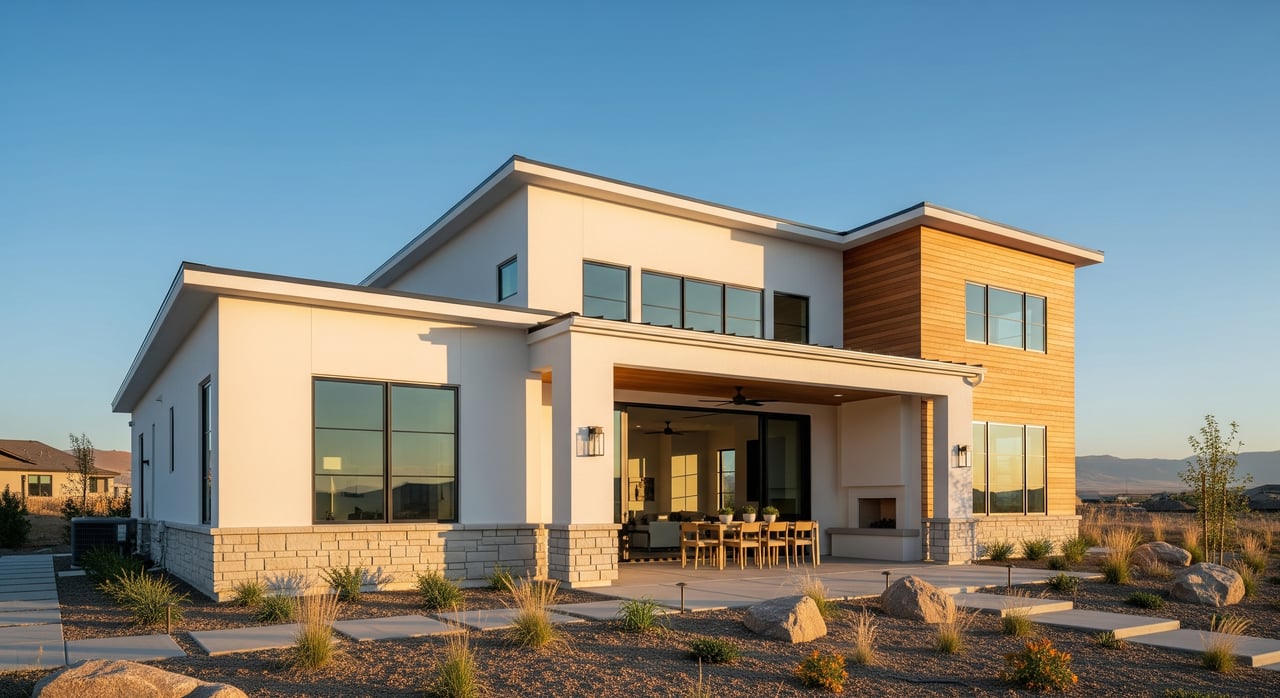
Thinking about buying a home in Incline Village and using it as a short-term rental? The opportunity can be exciting, but the rules can be complex. You want a clear path to compliant operations and steady income without surprises. In this guide, you will learn who regulates STRs in Incline Village, what to check before you write an offer, the documents to request, and the contract protections that reduce your risk. Let’s dive in.
How STR rules work in Incline Village
Overlapping authorities you must satisfy
Incline Village sits in unincorporated Washoe County and within the Lake Tahoe Basin, so multiple layers of rules apply. To operate legally, you need to meet the requirements of all of the following, not just one:
- Washoe County for land use, business licensing, and code enforcement.
- Tahoe Regional Planning Agency for regional land use, coverage, and environmental protections.
- Nevada state agencies for taxes and state rules affecting businesses and owners.
- Local districts such as the North Lake Tahoe Fire Protection District and utility providers that may have safety or capacity requirements.
- Homeowners’ associations and recorded CC&Rs, which can prohibit or limit STRs regardless of county rules.
If one layer prohibits STRs, that restriction controls your use. A county permit does not override HOA rules, and TRPA limits can affect what you can change or expand on the property.
Before you make an offer: quick checklist
Review these items early so you understand feasibility, timing, and risk:
- Confirm HOA and CC&R rules and whether STRs are allowed, limited, or prohibited.
- Verify current Washoe County STR status, business licenses, and whether any permit is transferable at sale.
- Review transient lodging tax registration and filing history to check for delinquencies.
- Ask TRPA about any permits, coverage limits, or conditions tied to the property.
- Check for required fire safety measures and any inspection history; confirm defensible space status.
- If the property uses septic, confirm system capacity and recent inspections.
- Identify whether a local 24/7 contact or manager is required and available.
- Compare platform requirements for permit display and confirm the property’s listing status.
- Discuss lender and insurance requirements if you plan to finance or adjust coverage for STR use.
- Order a title report to catch tax or HOA liens related to prior fines or unpaid assessments.
Documents to request from the seller
Ask for clear, written evidence that the home has been operated correctly and can continue after closing. Focus on:
- All STR permits or registrations, Washoe County business license, and any written statements about transferability.
- Transient lodging tax filings and payment records for at least the last 2 to 3 years.
- TRPA approvals tied to land use, coverage, or prior alterations.
- HOA documents, including CC&Rs, bylaws, recent meeting minutes, STR policy notices, and any fine history.
- Insurance policy declarations showing STR coverage or endorsements, plus any claims history.
- Booking and revenue records, including occupancy calendars and P&L statements.
- Code enforcement, complaint logs, and remediation or inspection reports, including fire safety.
- Utility records and any septic or wastewater inspection reports.
What to confirm with authorities
Your goal is to validate compliance and uncover hidden liabilities before you are under contract:
- Washoe County: Zoning, code enforcement history, required STR permits or business licensing, and open violations.
- Tahoe Regional Planning Agency: Permit records, coverage allowances, and conditions that affect use or future changes.
- Nevada Department of Taxation and local tax offices: Tax registration status, filing history, and any liens.
- Local districts: Fire protection district and utility providers for safety standards, access, and capacity requirements.
- HOA or management company: Written confirmation of STR rules, any pending changes, and fine or dispute history.
- Title and legal advisors: Full lien search and guidance on permit transferability and risk allocation.
Contract protections that reduce risk
Strong contract terms can protect your investment if issues surface during escrow. Consider:
- A contingency to confirm permit transfer or timely approval of a new permit and to verify code and tax compliance.
- Escrow holdbacks to cover identified fines, unpaid taxes, or required remediation.
- Seller representations and indemnities regarding compliance history, STR income records, and known complaints.
- A right to cancel or renegotiate if HOA or TRPA findings limit STR use beyond a defined threshold.
Common pitfalls and red flags
Watch for signals that could jeopardize income or delay your launch:
- Nontransferable permits that require reapplication after closing.
- Unpaid transient lodging taxes or prior fines that could become liens.
- HOA prohibitions or pending rule changes that restrict STRs.
- Repeated neighbor complaints, noise violations, or platform delisting.
- Septic capacity mismatches for planned occupancy or event use.
- Missing fire safety equipment or inspection failures.
- No verified local contact for 24/7 response if required.
- Sudden policy shifts, moratoria, or caps that affect availability or revenue.
Operations basics buyers often overlook
Taxes and remittance
Most STR operators must collect and remit transient lodging taxes and sometimes sales or use taxes. Some platforms remit taxes in certain jurisdictions, but you must verify what applies to Incline Village. If the seller missed filings, those liabilities can follow the property, so confirm status and plan for clean handoff in escrow.
Safety and inspections
Local codes may require smoke and carbon monoxide alarms, fire extinguishers, safe egress, and posted information for guests. Properties in wildfire-prone areas may have additional defensible space standards or inspection steps. Build these items into your budget and timeline to avoid delays when you launch.
Good neighbor rules
Noise, parking, trash, and event limits are common in Tahoe-area communities. Repeated complaints can trigger fines or permit action, so set clear house rules and communicate them in your listings and guest materials. Good management reduces risk and protects your permit and reputation.
Local contact requirement
Many Tahoe jurisdictions require a local contact or manager who can respond to complaints within a set time. Line up this support early, document it in your files, and include the contact information in your guest book and signage if required.
Market trends to keep in mind
- Regulation has tightened across Lake Tahoe to balance visitor demand, housing, and environmental goals. Future changes are possible.
- Revenue is seasonal and can concentrate in peak months, so cash flow may be uneven.
- TRPA and local agencies prioritize environmental protections, which can affect expansion plans and site coverage.
- Insurers and lenders scrutinize STRs more closely. Expect specialty endorsements and varied loan policies.
- Enforcement often escalates with repeated complaints, so proactive management matters.
Next steps for serious buyers
- Start with HOA and CC&R verification before you fall in love with the numbers.
- Confirm county, TRPA, and tax compliance and whether permits can transfer or be reissued in your name.
If you want a local, credentialed team to help you navigate due diligence, line up the right inspections, and structure your offer for protection, connect with the L Clarke Group. We help you buy with confidence and launch your STR the right way.
FAQs
Are STR permits in Incline Village transferable when a home is sold?
- Often not. Expect to apply or re-register with Washoe County and confirm specifics with the issuing authority before you write an offer.
Can my HOA restrict STRs even if the county allows them?
- Yes. Private CC&Rs can prohibit or limit STRs, and those rules are enforceable even if public law permits rentals.
What happens if the seller has unpaid lodging taxes or fines?
- They can lead to liens or delays. Use escrow holdbacks or negotiated payoffs and verify status with tax authorities and title.
Will my lender and insurer allow STR use in Incline Village?
- Policies vary. Some loans restrict STR-heavy use and insurers may require special endorsements, so check early in your process.
Are there occupancy or parking limits for STRs in Incline Village?
- Many ordinances set occupancy and parking standards. Verify the current rules with the county and your HOA before setting expectations.
How does TRPA affect a short-term rental purchase?
- TRPA can limit site coverage, require best-management practices, and condition certain property changes, which can impact your plans and budget.